
How We Work
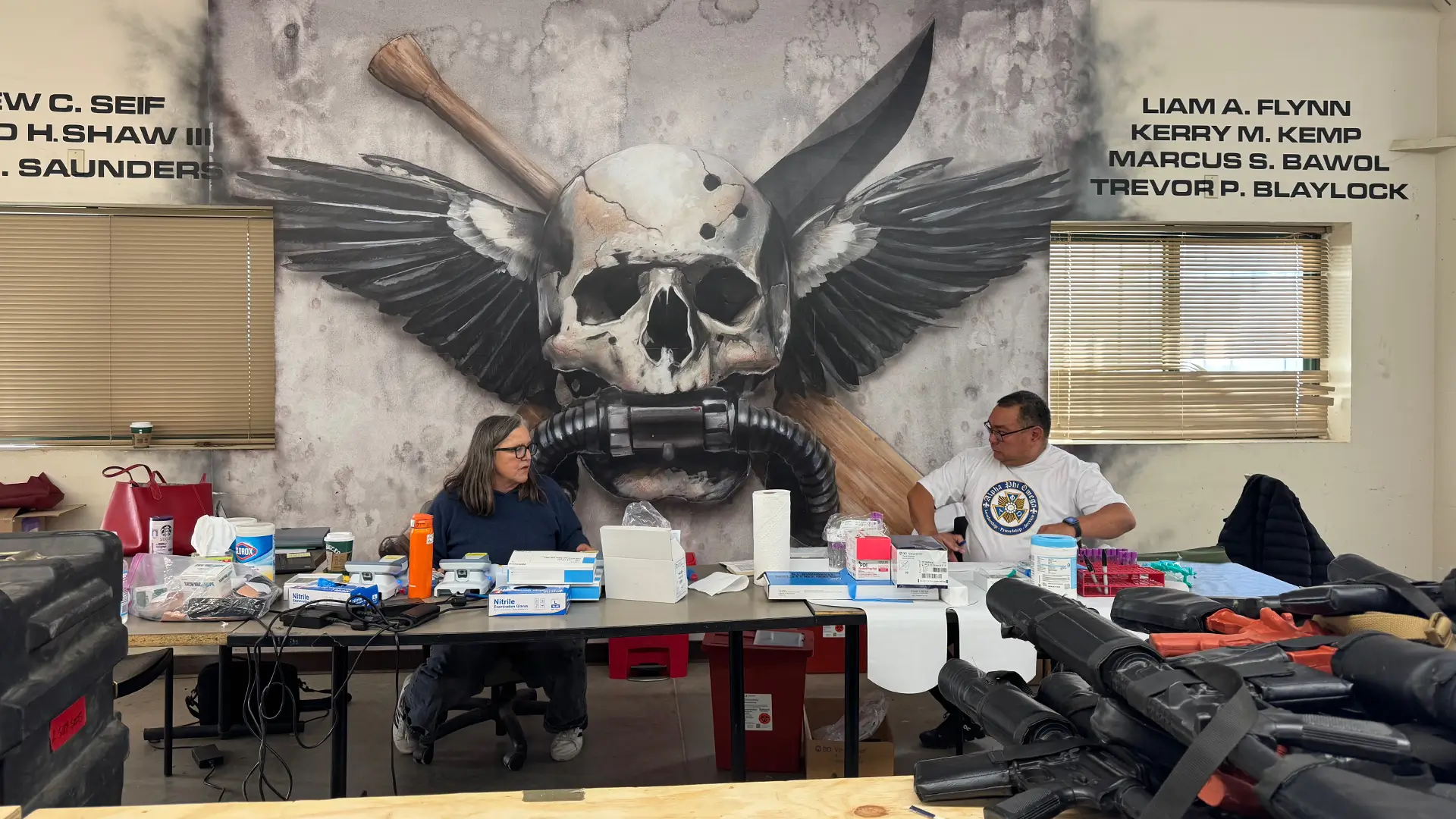
Measuring someone in a laboratory tells you how they perform in a laboratory. We work the other way around.
CBC designs studies that run inside the environment we are asking about: a training rotation, a breaching range, a deployment cycle, a surgical service. The conditions are uncontrolled and the schedule is not ours. Everything we build is shaped by that.
Five steps
- We start where the work happens. Study design fits the unit’s or the clinic’s schedule rather than the reverse. If a protocol cannot survive a field rotation, it does not go in.
- We build the instrument for the environment. CBC Lightning is configured for each study and each population. It holds data when there is no network, runs on devices people will actually wear, and asks only what a Service Member will answer at the end of a hard day.
- We measure continuously, for months. Wearable and metabolic sensors, brief daily self-report, and repeated cognitive testing, against each person’s own enrollment history. Where the question calls for blood, samples are drawn and run at the training site for same-day results.
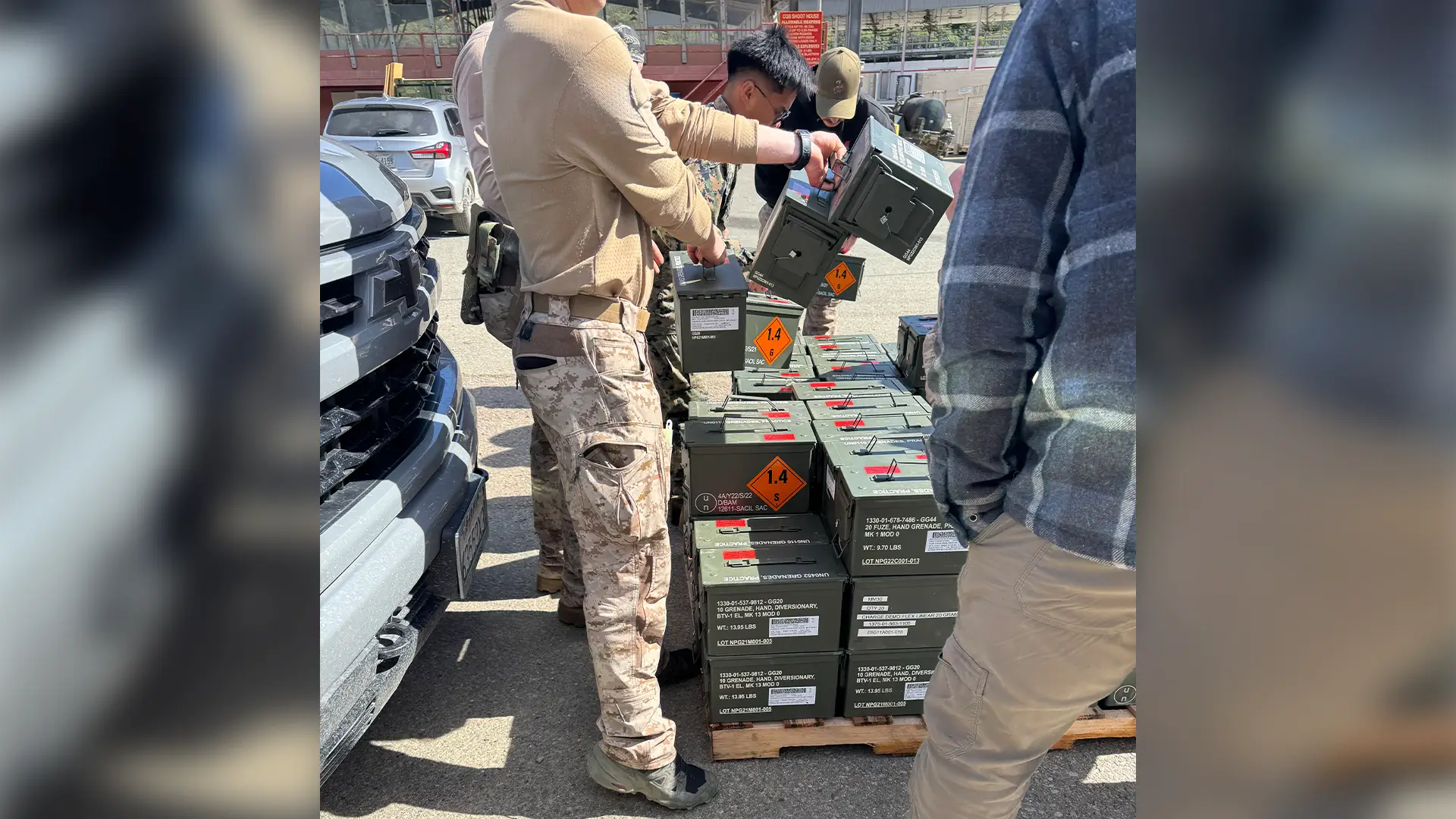
- We give the data back immediately. Every participant sees their own trends against their own baseline. Commands and clinicians see what they need at the group level. Measurement that only flows one direction does not earn six months of anyone’s cooperation.
- We report what we find, including what did not work. Several of our most useful results are measures that turned out to predict nothing. Knowing which sensor channels carry no signal is worth as much operationally as knowing which ones do, and it is the part most programs leave out.
The result is findings that hold in the conditions they were made in, on equipment that can be fielded at scale, from people who got something back for participating.