
Research
The USC Center for Body Computing studies how continuous, individualized measurement can protect and improve the health and performance of people operating under sustained demand. We use wearable sensors, mobile software, and biomarkers to make visible what episodic evaluation misses. Our largest body of work is military, with active-duty Service Members. The same methods now serve patients and clinicians in medicine, and athletes in sports.
CBC has enrolled more than 595 active-duty Service Members, in studies funded by the Department of War, at four military installations.
CBC Lightning
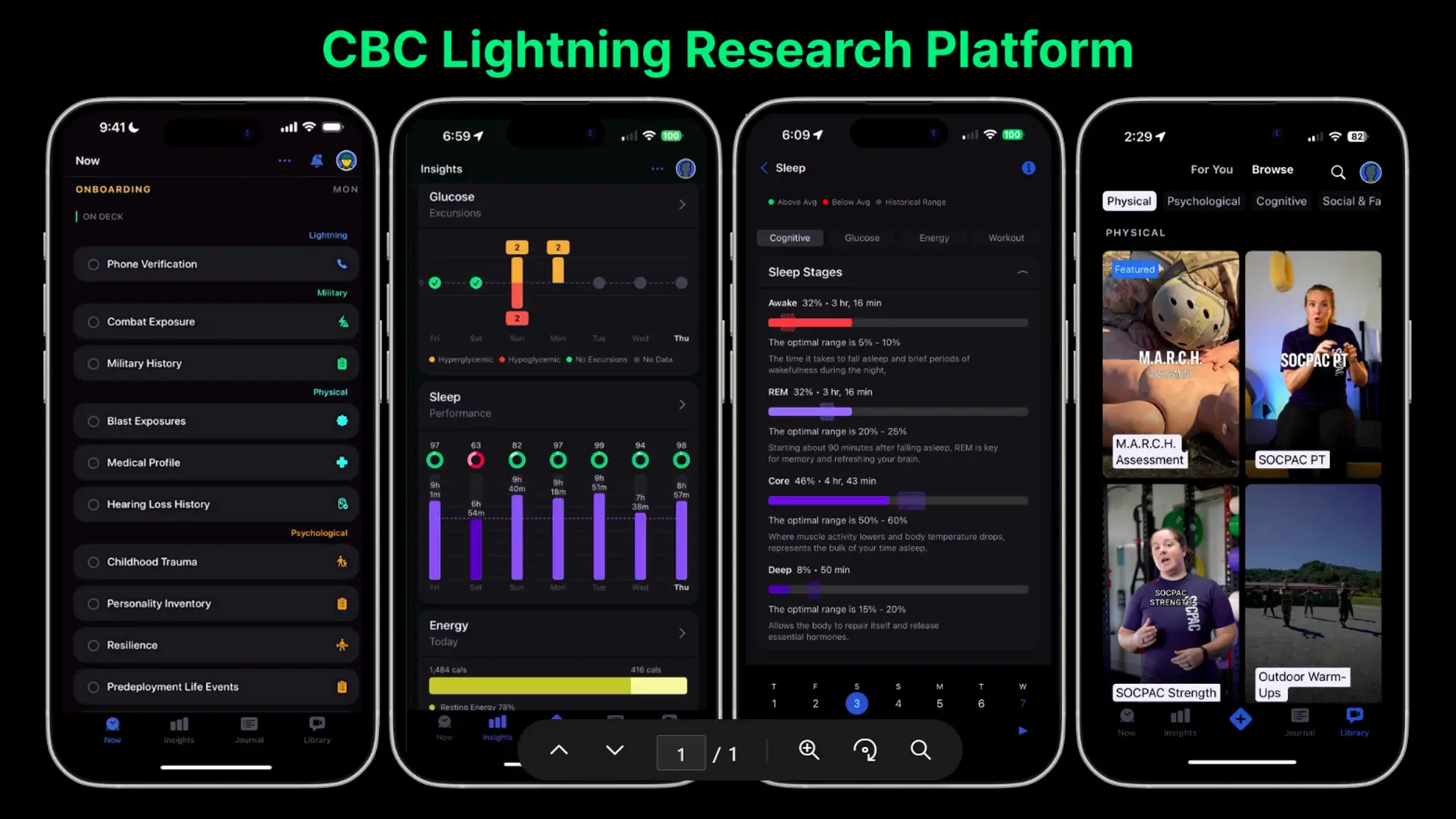
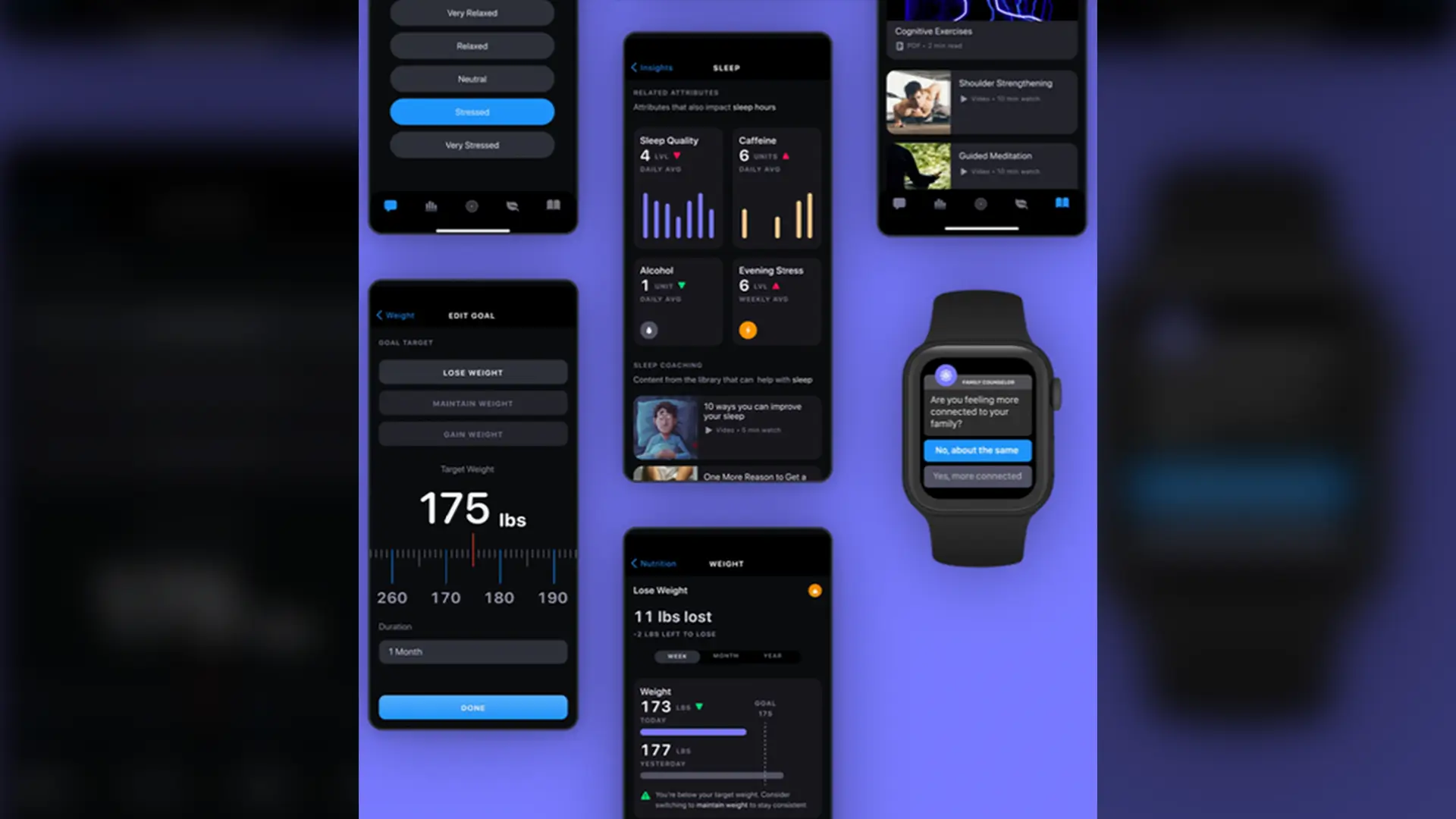
CBC’s research runs on Lightning, a secure mobile application built specifically for military research. Lightning integrates wearable sensors, continuous glucose monitoring, daily self-report, and repeated cognitive testing into a single system, and returns each Service Member’s own data to them in real time.
Lightning is designed so that participation delivers value to the participant. Users see their own sleep, activity, metabolic, and cognitive trends, compare them against their own baseline, and access unit-specific health and training content built for their command.
Lightning was built with Congressionally Directed Medical Research Programs brain health funding, and is the core sensor-to-intelligence platform underlying all of CBC’s current research.
What Lightning measures
Continuous, from wearable sensors: heart rate, heart rate variability, sleep, respiration rate, wrist temperature, oxygen saturation, activity and energy expenditure, steps and stair count, gait and balance, distance, noise exposure, time in daylight, and blood glucose.
Daily, from the Service Member: stress, mood, alertness, and pain, plus a cognitive battery covering spatial memory, cognitive inhibition, visual attention, reaction time, and psychomotor vigilance.
At enrollment: military service history, blast and combat exposure, sleep quality, TBI history, hearing loss, and a set of validated psychological and resilience measures.
Devices and diagnostics: Apple Watch, Oura Ring, ReadiWatch, Abbott continuous glucose monitoring, and Abbott i-STAT whole blood testing for TBI biomarkers.
Research programs
Cognitive readiness under operational demand
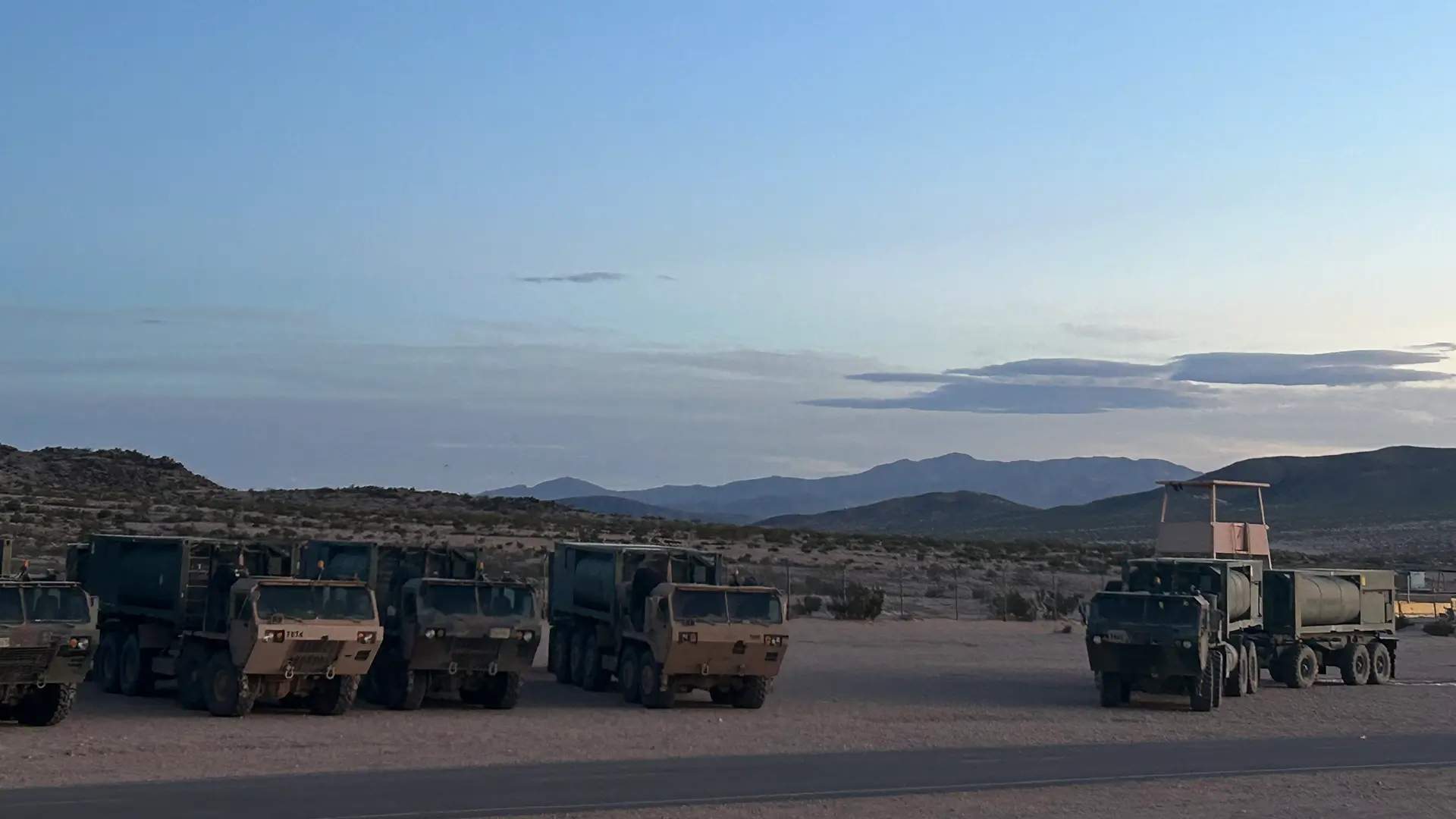
Fitness-for-duty decisions rely on self-report, and self-report misses a great deal. Across two force-on-force rotations at the National Training Center, CBC instrumented 93 Soldiers over 1,389 person-days and found that more than half of objectively degraded days went unreported by the Soldier.
Our work asks whether cognitive degradation can be detected in the field using equipment already on the wrist. It can, within limits we have been explicit about: detection is same-day rather than predictive, and accuracy is a screening signal rather than a diagnosis. We have also shown that the expensive sensor channels added no measurable value over three low-cost sleep measures and a single self-report item, which matters for anything intended to scale.
Related: MHSRS 2026 posters 5107 and 5118. See Presentations.
Performance variability
Most monitoring asks whether people get slower under load. We asked whether they get less reliable. Under operational demand, Service Members’ reaction-time variability rose roughly four times as much as their average speed, and that instability proved a stable individual trait varying five-fold across people.
We also tested whether wearable autonomic signals could predict it. They could not. Across 49 Service Members and 2,614 assessments, every channel including heart rate variability was formally equivalent to zero. Knowing what current wearables cannot measure is as operationally useful as knowing what they can.
Related: MHSRS 2026 poster 5118.
Blast exposure and brain health
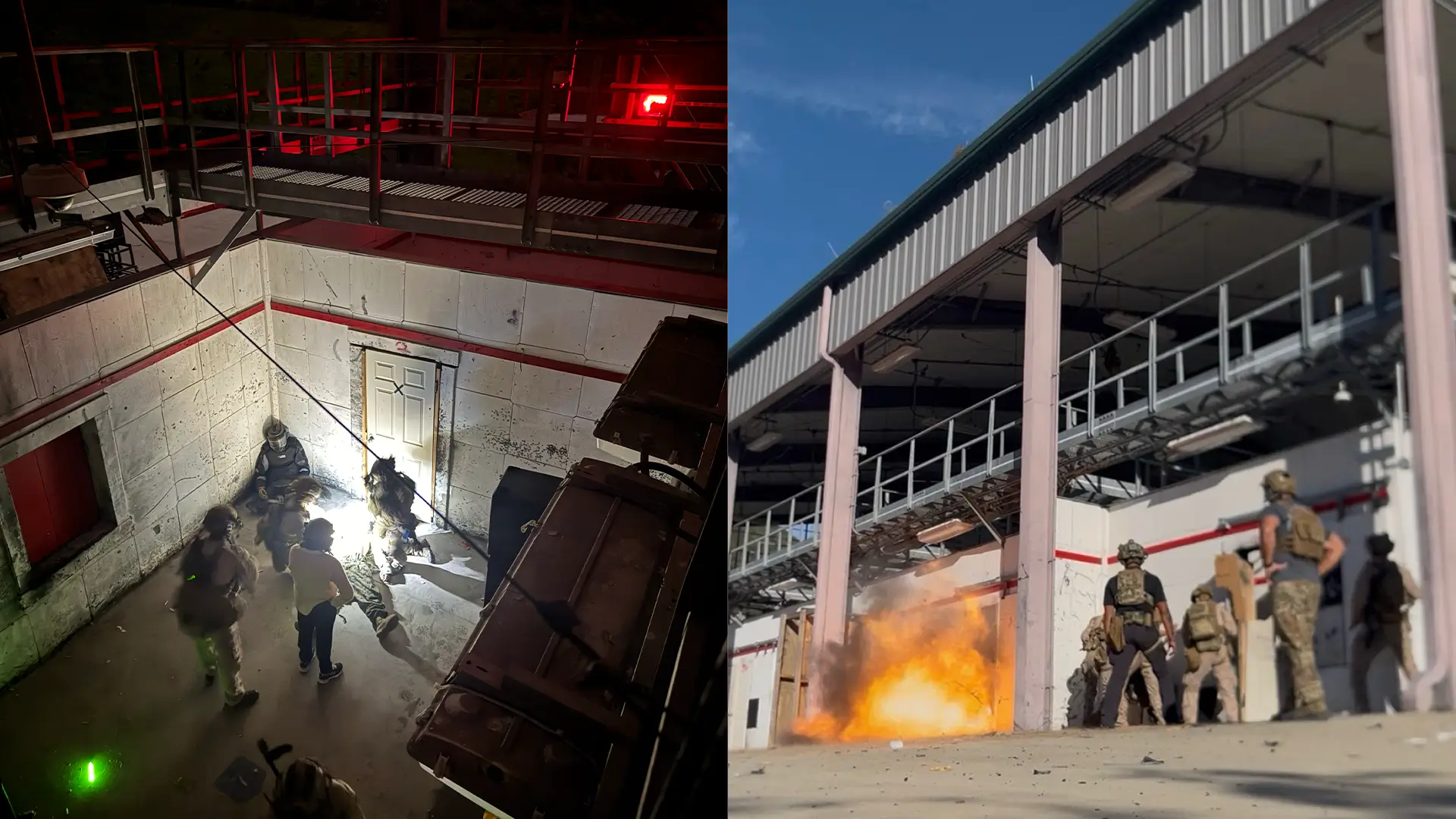
Blast overpressure exposure accumulates across a career and affects individuals differently. CBC studies the populations carrying the heaviest cumulative exposure: the instructor cadres who run close-quarters battle and breaching training, and who absorb blast on every iteration their students go through once.
In our instructor cohort we have recorded more than 8,000 blast events, pairing continuous physiologic and metabolic sensing with blood biomarkers of neural injury: glial fibrillary acidic protein (GFAP), ubiquitin C-terminal hydrolase L1 (UCH-L1), and neurofilament light chain (NfL). Samples are drawn and run in the field on whole blood, giving results at the training site rather than days later. Alongside this we collect blast exposure history, TBI history, and combat exposure at enrollment, so that cumulative career exposure can be set against what we measure day to day.
The question we are pursuing is why the same exposure produces such different responses in different people, and whether host state rather than cumulative dose is what determines who is affected.
In August 2026 the Government Accountability Office reported on the Department of War’s implementation of its blast overpressure requirements, including cognitive assessment and exposure tracking. GAO reported that Army officials, in a quarterly implementation survey to the Office of the Under Secretary of Defense for Personnel and Readiness, said that as of the end of fiscal year 2025 they had started exposure tracking for less than 2 percent of the 142,000 potentially exposed Service Members.
Physical readiness and injury risk
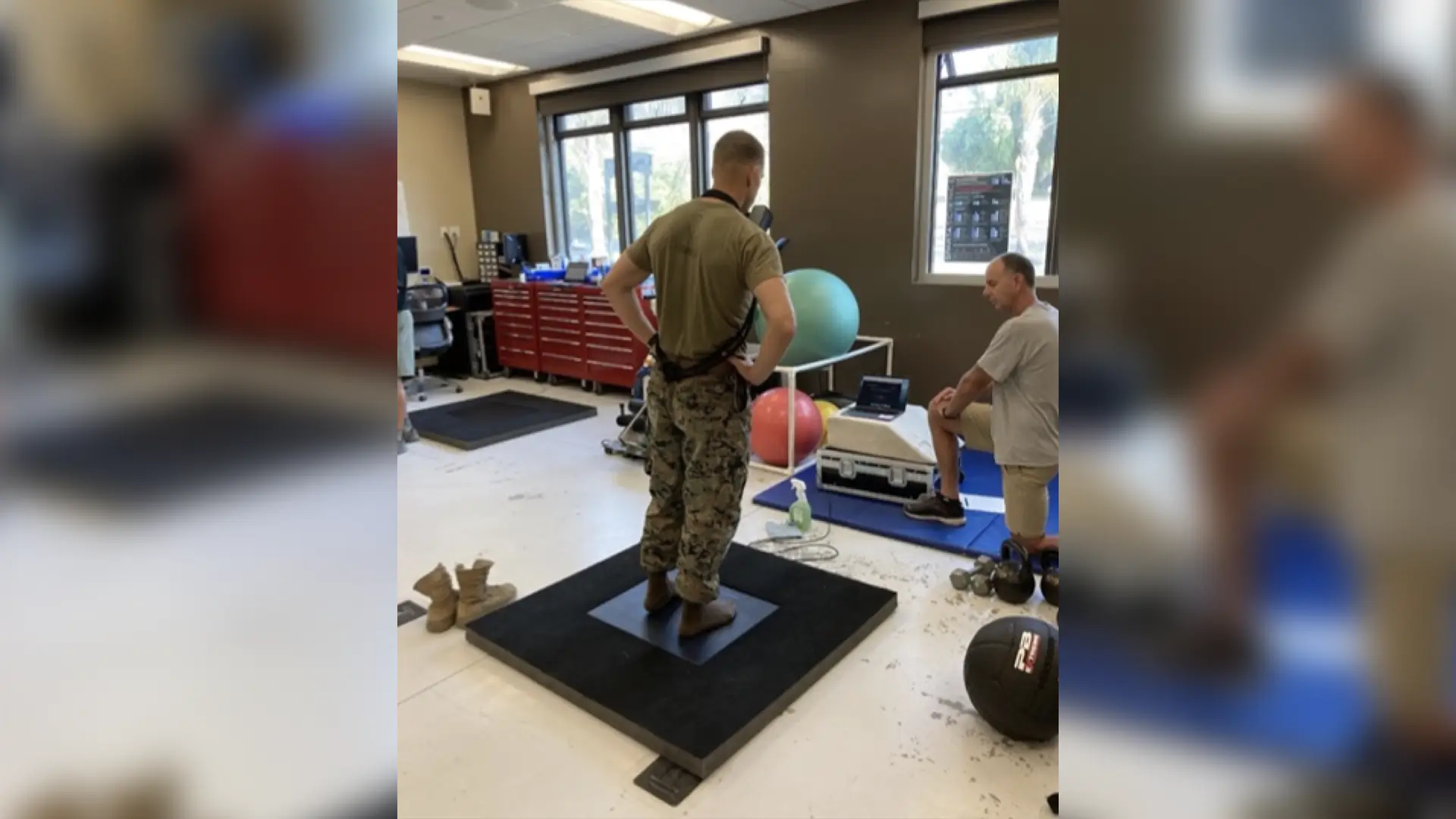
CBC has studied force plate assessment in Reconnaissance Marine training and the relationship between recovery interventions and training load. This work examines whether objective physical measures can identify who is at risk before an injury or attrition event occurs.
Related: Force plate assessments in reconnaissance marine training company, BMC Sports Science, Medicine and Rehabilitation, 2024. See Publications.
Clinical and metabolic research
The same platform works outside the military. CBC conducts funded investigator studies with the Keck School of Medicine of USC, operates its Digital Studies Unit, and has run three studies that apply Lightning and continuous glucose monitoring (CGM) to clinical questions. All three are now in analysis or writing.
Surgeon readiness. With Dr. Graeme Rosenberg, we used Lightning and CGMs to study the readiness of surgeons working long operative days.
Metabolic dysfunction-associated steatotic liver disease (MASLD). With Dr. Norah Terrault, a pilot study used Lightning and CGMs with patients who have MASLD. Apple sponsored the study in kind.
Glucose and social determinants of health. With Keck Medicine, we studied CGM readings from people with diabetes in the Keck system alongside social determinants of health data. Abbott sponsored the study.
Related: Education and University Partners, for the full set of our work with Keck.
Athletes and sports performance
The questions we study in Service Members, how much load a body can absorb and how to see strain before it becomes injury, are the same questions athletes face. CBC’s work with professional football began with the National Football League, including a grant from NFL Charities from 2011 to 2013. Our current research is with the National Football League Players Association (NFLPA), which funds it. Through the USC Dornsife Public Exchange, CBC also co-funds work that includes Olympic health.
Where we work
CBC studies are conducted in operational environments, not laboratories. Our research has been fielded at Camp Pendleton, Fort Bragg, Fort Irwin, and Camp H.M. Smith, with infantry battalions, Marine reconnaissance, Special Operations units, and large-scale combat training rotations.
Average follow-up is six months.
| Population | Enrolled |
| 1st Reconnaissance Battalion | 112 |
| 3rd Special Forces Group (Airborne) | 96 |
| National Training Center | 129 |
| SOCPAC | 94 |
| V11 Marines | 164 |
| Total | 595 |
Funding
The USC Center for Body Computing has conducted more than $14 million in DoW-funded research, including $6.9 million focused on Service Member brain health.
Our military research is supported by awards including the Congressionally Directed Medical Research Programs (W81XWH-22-1-0956), the Military Operational Medicine Research Program (W911NF-14-D-0005, Task Order 08), and DEVCOM (W911NF-14-D-0005, Task Order 01).
Registered trials
Digital cORA: Comprehensive and Continuous Status Measurement of Pre- and Post-Deployment Warfighters With Mobile Application
ClinicalTrials.gov NCT04672811
Early Digital, Analyte and Neurologic Biomarkers of Acute and Chronic Brain Injury and Recovery in CQT Instructors
ClinicalTrials.gov NCT05917665
Impact of Pre-Military Life Experiences/Exposures on Active-Duty Service Members’ Psychological Health
ClinicalTrials.gov NCT06070025
A fourth study, the Senior Service Member Brain Health and Resiliency Study, is registered but its record has not yet posted publicly.