
Our Mission
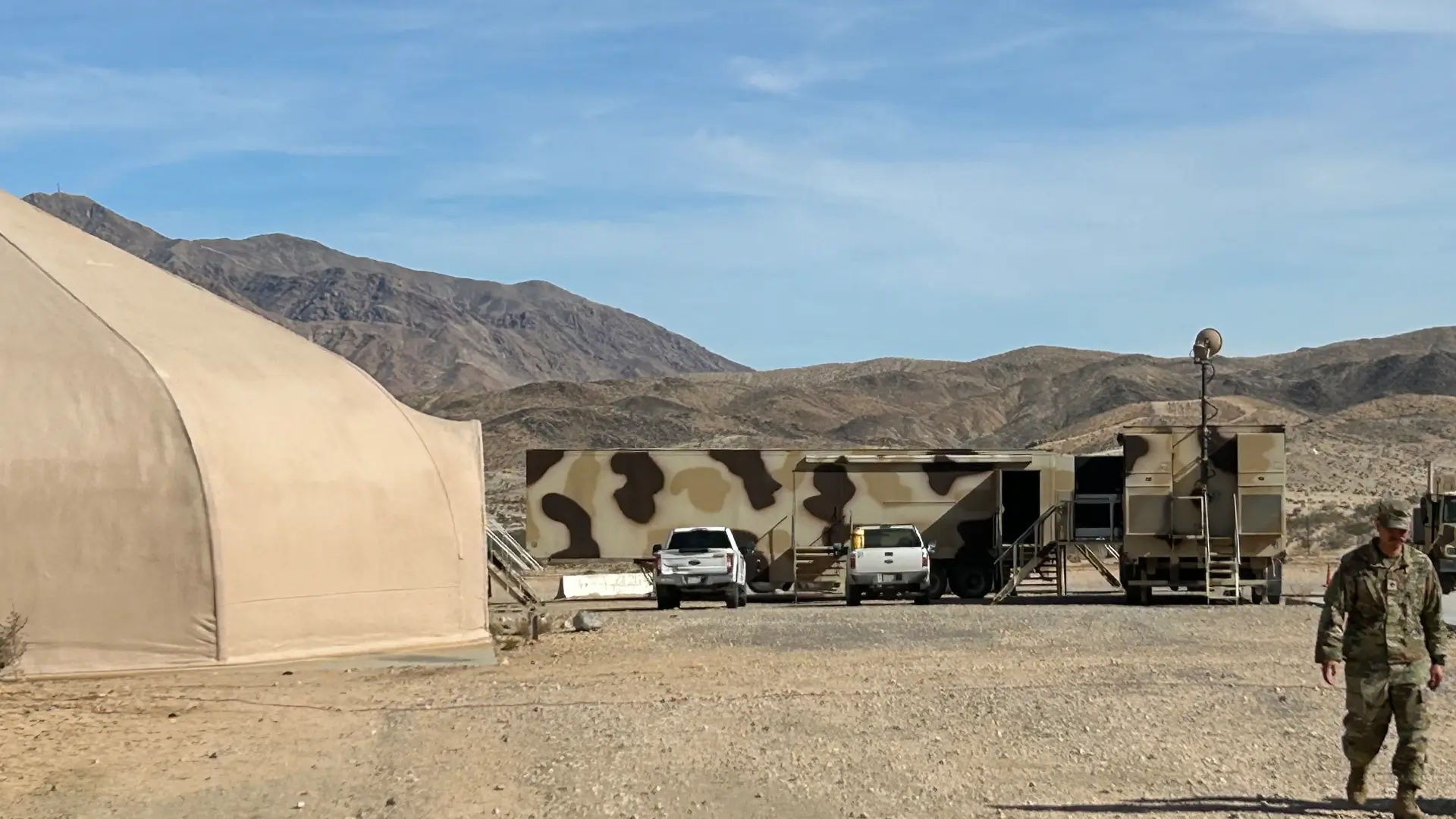
We measure health and performance where it is hardest to measure, and give the data back to the person it came from.
Most of what medicine knows about a person comes from a handful of minutes a year, at rest, in a clinic. That is a poor way to understand anyone, and a worse way to understand people whose work happens under sustained physical and cognitive load.
CBC exists to close that gap. We build the software, sensors, and diagnostics that make continuous individual measurement possible in places it has never worked before: training rotations, breaching ranges, deployment cycles, operating rooms. We compare each person against their own baseline rather than a population average, because the useful signal is almost always in the change, not the absolute number.
And we return the data immediately to the person who generated it. Measurement that flows in only one direction does not earn six months of anyone’s participation, and it does not change what anyone does.
We do this first for Service Members, whose readiness is currently judged largely by what they are willing to report about themselves, and then for patients, clinicians, and athletes facing the same problem in different clothes.